
Generating, storing, charging and consuming — as one system
Separate components deliver separate results. Only once generation, storage, charging and consumption are aligned do you get real returns.
- More self-consumption of your solar power
- Flattening peaks within the limits of your connection
- Insight into your energy flows through monitoring

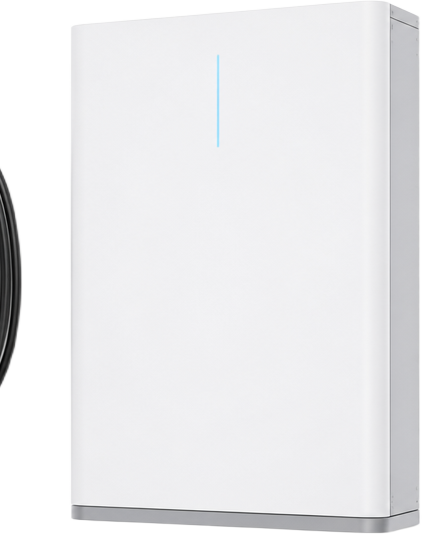
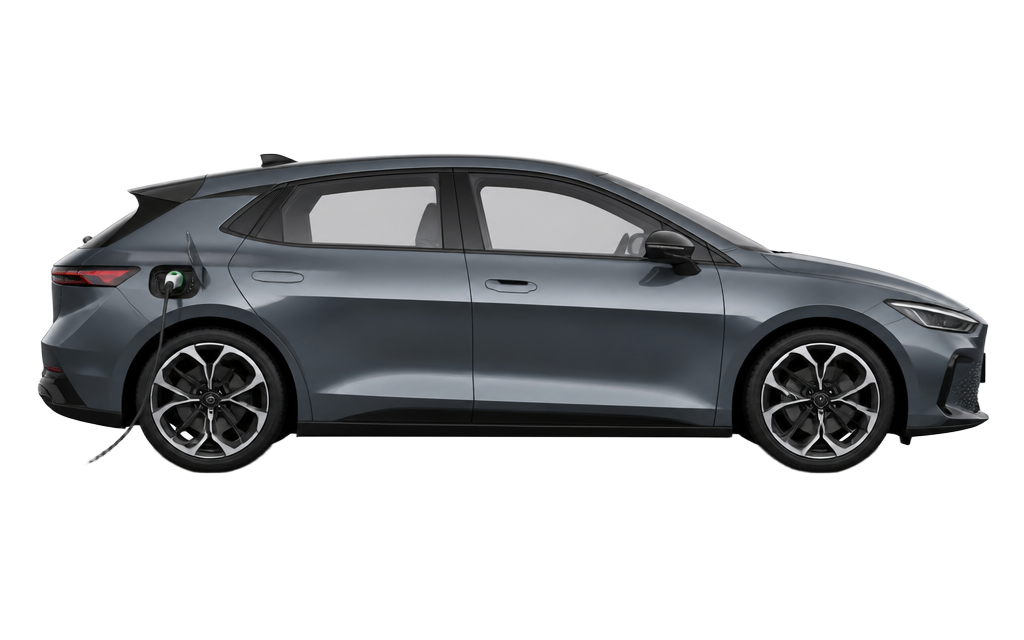
12:00 · day
Illustrative example based on 10 kWh storage capacity. During the day the sun charges the home and the battery, in the evening the battery feeds back to the home, and at night the car charges when electricity is typically cheap.
The order determines the return
Good control works with priorities. Solar power first goes to direct consumption in the home or building. What's left over goes to the battery or the car. Only after that is it exported to the grid.
Flattening peaks
For businesses, peak power is often decisive for grid costs. By deploying storage and control smartly, you can limit those peaks without changing your operations.
Insight and management
Monitoring makes visible what's happening: how much you generate, consume, store and export. That insight is the basis for fine-tuning — and for checking that the system does what it promised.
Frequently asked questions
Let your energy system work together intelligently
We look at what you already have and what's needed to make the components work as a single whole.